
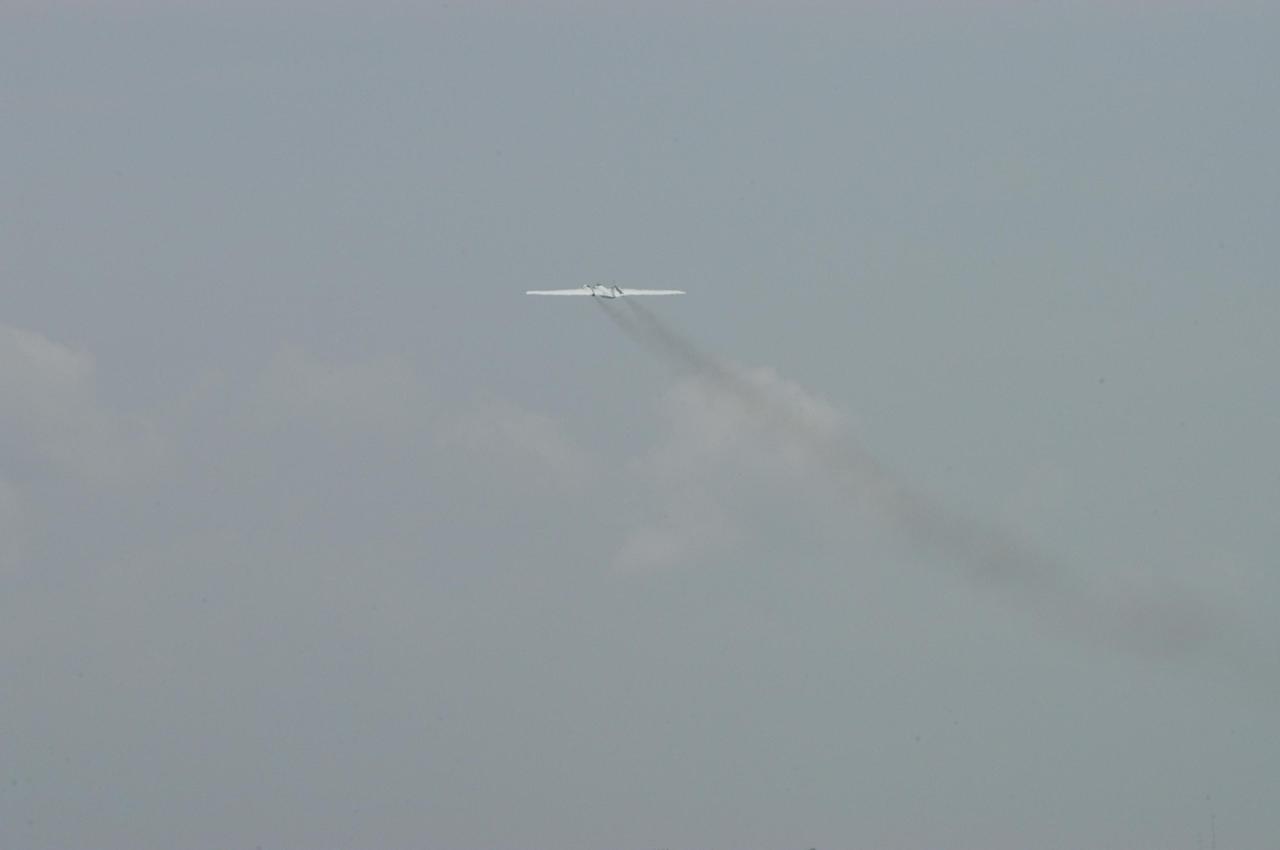
The Pentagon continues to withhold a substantial volume of UAP video evidence from public release. This hidden archive represents a critical gap in the public's understanding of the UAP phenomenon, despite years of disclosure efforts.
The Unseen Volume of UAPTF and AARO Data
The known UAP incidents, such as the 2004 Nimitz encounters and the 2015 East Coast events, are represented by a handful of declassified videos: 'FLIR1' (Tic Tac), 'Gimbal', and 'Go Fast'. These represent a microscopic fraction of the total UAP reporting received by the UAP Task Force (UAPTF) and its successor, the All-domain Anomaly Resolution Office (AARO). Sources like Luis Elizondo and Christopher Mellon have consistently indicated that the U.S. government holds vastly more compelling and numerous visual data points. These include high-resolution electro-optical, infrared, and radar tracks that show UAP exhibiting capabilities far beyond known human technology. The sheer volume of these unreleased files, often cited in the hundreds or even thousands by various officials and researchers familiar with classified briefings, far eclipses what has been made public. Each unreleased video potentially offers new insights into UAP characteristics, flight profiles, and interaction with military platforms, remaining inaccessible to independent analysis.
Congressional Mandates Versus Executive Branch Inertia
Congress has repeatedly attempted to compel greater transparency regarding UAP data, including visual evidence. The UAP Disclosure Act of 2023, while ultimately watered down, signaled strong legislative intent to force the declassification and release of historical UAP records and materials. This included provisions for a UAP Records Collection within the National Archives, mirroring the JFK Assassination Records Act. Despite these efforts, the executive branch, particularly agencies within the Department of Defense and the Intelligence Community, has consistently lagged in complying with the spirit of these mandates. Bureaucratic inertia, concerns over source and method protection, and potentially deeper sensitivities related to the nature of UAP itself, continue to obstruct the release of compelling visual evidence. This creates a disconnect between legislative desire for transparency and executive branch action, maintaining a persistent secrecy around a critical national security issue.
Whistleblower Narratives and Sensor Data
The testimony of whistleblowers like David Grusch further underscores the existence of extensive unreleased UAP video and sensor data. Grusch, a former intelligence officer, has asserted under oath that the U.S. government possesses not only intact and partially intact "non-human origin technical vehicles" but also corresponding observational data. This would logically include highly classified visual recordings and sensor logs documenting the recovery, analysis, and capabilities of these alleged craft. These claims suggest that the unreleased videos are not merely fleeting glimpses but potentially sustained engagements with objects exhibiting extraordinary characteristics. Such material, if declassified, would fundamentally alter the public and scientific understanding of the UAP phenomenon. The continued withholding of such material lends credence to the idea that the observed objects represent a profound paradigm shift, far beyond simple misidentification or foreign adversary technology.
The Classification Labyrinth and Future Prospects
The primary stated reason for withholding UAP videos remains classification, specifically concerning national security. This often falls under the purview of the Defense Office of Prepublication and Security Review (DOPSR) and various Special Access Programs (SAPs). Releasing unredacted footage could, according to official statements, reveal sensitive collection capabilities, operational tactics, or compromise intelligence sources. However, critics argue this reasoning is often a blanket justification to avoid disclosing uncomfortable truths. Dr. Sean Kirkpatrick, former head of AARO, often highlighted the difficulty of authenticating UAP videos and stressed the need for rigorous analysis. Yet, the public is denied access to the very raw data needed for such independent analysis. The path forward requires sustained congressional pressure, a re-evaluation of classification guidelines specifically for UAP, and perhaps a public reckoning with the implications of continued secrecy. Until then, the most compelling visual evidence of UAP activity will remain locked away, hindering genuine progress in understanding this profound phenomenon.